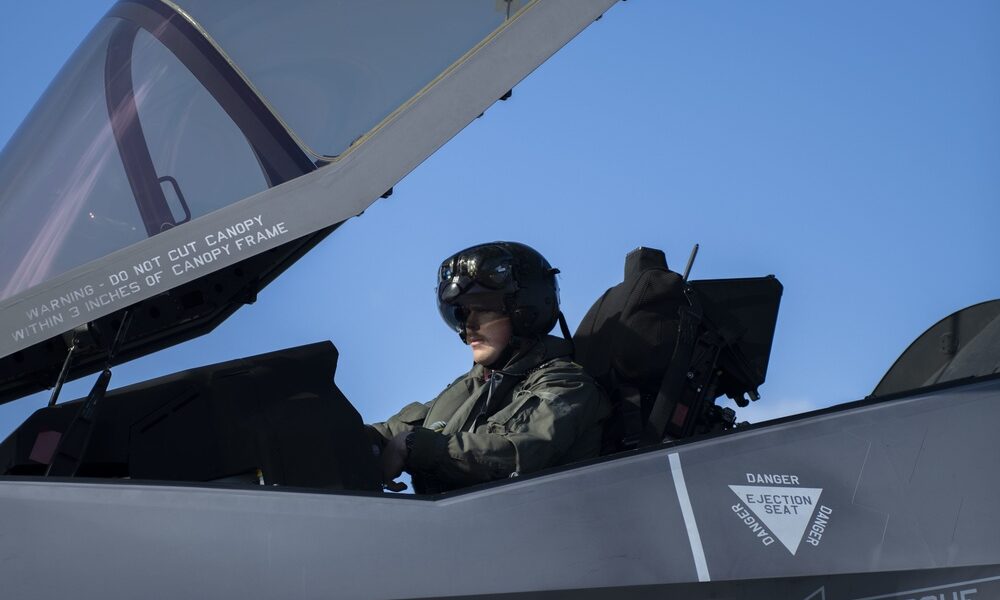
Military Flight Pay: Your Complete Guide to Aviation Incentive Pay
Flight pay has gotten less clear-cut with all the different programs, gate systems, and retention bonuses flying around (pun intended).
Military flight pay, officially called Aviation Career Incentive Pay (ACIP) or Aviation Incentive Pay (AvIP), is special compensation paid to service members who perform flying duties. It’s the military’s way of acknowledging the specialized skills, massive training investment, and inherent risks that come with military aviation careers. And the numbers aren’t trivial — qualified aviators can earn between $125 and $1,000 per month on top of base pay in 2025, depending on experience and duty status.

Types of Aviation Pay
Aviation Career Incentive Pay (ACIP)
ACIP is the main form of flight pay for career military aviators. It’s designed to keep experienced pilots and flight officers from jumping ship to the airlines — which, let’s be honest, is a constant battle for the services. Key features:
- Eligibility: Officers who hold or are training toward an aeronautical rating
- Duration: Paid for up to 25 years of aviation service
- Rates: Increase with years of aviation service, peaking at 14+ years
- Gate Requirements: You’ve got to meet specific flying hour requirements at career milestones — more on that below
Hazardous Duty Incentive Pay – Flying (HDIP-F)
This pay compensates crew members and non-rated personnel who perform regular flight duties:
- Aircrew members: Up to $250 per month
- Non-aircrew members: $150 per month
- Flight surgeons and aeromedical personnel: Varies by duty requirements
2025 Flight Pay Rates by Years of Aviation Service
| Years of Aviation Service | Monthly ACIP Rate |
|---|---|
| 2 years or less | $125 |
| Over 2 years | $156 |
| Over 3 years | $188 |
| Over 4 years | $206 |
| Over 6 years | $650 |
| Over 10 years | $840 |
| Over 14 years | $1,000 |
| Over 22 years | $585 |
Notice that big jump between 4 and 6 years? That’s when the military really starts investing in keeping you. And the drop after 22 years? That’s by design — by that point, most aviators are either retiring or in senior leadership positions where flying is less central.
Note: Officers in pay grades O-7 and above have capped rates of $200-$206 per month regardless of aviation service years. Generals don’t need the retention incentive, apparently.

Flight Pay Requirements and Gates
To receive continuous ACIP, aviators have to meet specific “gate” requirements throughout their careers. This is where career planning gets really important.
The Gate System
- First Gate: Perform operational flying duties for at least 8 of the first 12 years of aviation service
- Second Gate: Perform operational flying duties for at least 12 of the first 18 years of aviation service
- Alternative Gate: If you complete 10-12 years of the first 18, you receive continuous pay through year 22
Probably should have led on this subject, in fairness. If you’re an aviator planning your career, these gates should be driving some of your assignment decisions. A staff tour at the wrong time can mess up your gate timeline.
Monthly Flying Requirements
To maintain flight pay eligibility, aviators typically must:
- Fly a minimum number of hours per month (varies by service and aircraft type)
- Maintain current aeronautical rating and medical certification
- Be assigned to a flying billet or authorized flying duty position
- Complete required training and proficiency checks
Aviation Bonus Programs — The Big Money
Beyond monthly flight pay, the military offers substantial retention bonuses for aviators. This is where the real financial incentives live:
Aviation Bonus (AvB) Rates
- Active Duty pilots: Up to $35,000 per year — that’s real money
- UAS (Drone) operators: Up to $35,000 per year (yes, drone pilots get the same ceiling now)
- Reserve component officers: Up to $18,000 per year
Bonus contracts typically require multi-year commitments and vary by aircraft type. Fighter pilots and special operations aviators often receive the highest offers, which makes sense given how much the airlines want them.
Branch-Specific Flight Pay Info
Air Force
The Air Force maintains the largest pilot force and offers competitive aviation incentive pay across fighter, bomber, mobility, and special operations platforms. Their rated officer categories include pilots, combat systems officers, air battle managers, and remotely piloted aircraft pilots. The pilot retention challenge has been a major focus for Air Force leadership in recent years.
Army
Army aviators primarily fly helicopters — the AH-64 Apache, UH-60 Black Hawk, and CH-47 Chinook being the workhorses. Warrant officers make up a significant portion of Army aviation and are eligible for ACIP throughout their careers. If you want to fly and don’t want to deal with as much non-flying career progression, the warrant officer route is worth looking at.
Navy and Marine Corps
Naval aviators fly fixed-wing aircraft from carriers and land bases, while Marine Corps pilots operate both fixed-wing and rotary aircraft. Naval flight officers (NFOs) and weapon systems officers also receive aviation incentive pay. Carrier aviation is a unique beast — the skills required for landing on a moving ship at night earn every penny of that flight pay.
Tax Implications of Flight Pay
Flight pay is generally taxable income at both federal and state levels. However, if you’re performing flight duties in a designated combat zone, the flight pay earned during that period may be excluded from taxable income under the Combat Zone Tax Exclusion. That can make a meaningful difference during deployments.
How to Verify Your Flight Pay
To make sure you’re getting what you’re owed:
- Review your Leave and Earnings Statement (LES) monthly — don’t just assume it’s correct
- Verify the correct ACIP rate for your years of aviation service
- Confirm your aeronautical orders are current and on file
- Contact your unit finance office or military pay office if something looks wrong
- Use myPay to access your pay information online
Resources
- DFAS Aviation Pay Tables
- DoD Special and Incentive Pays
- Your service branch personnel command for specific eligibility questions



Leave a Reply